By Pacific Heating & Cooling | NATE-Certified Service Technicians | Updated September 2026
Every year, homeowners across Tacoma either book a heating and cooling tune-up without knowing exactly what happens during the visit, or skip it and hope the system holds up through the season. A professional HVAC tune-up inspects, cleans, and tests your whole system, from filters and electrical connections to refrigerant levels and airflow, and it is worth scheduling if your system is short cycling, running longer than it used to, making new noises, or has gone more than a year without service, four of the nine signs covered below. This guide walks through what a tune-up actually includes, what our technicians commonly find, and when to book one in Western Washington’s climate.
What does an HVAC tune-up actually include?
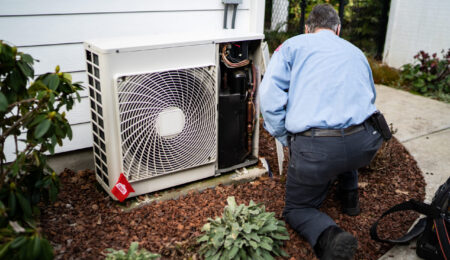
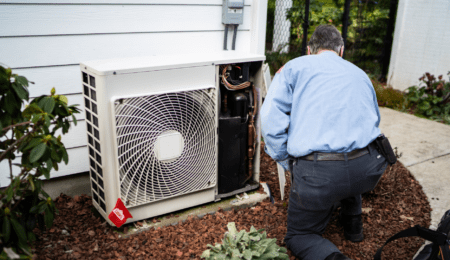
A Pacific HVAC tune-up includes a full inspection of your furnace, heat pump, or air conditioner. Your NATE-certified technician tests electrical components, checks refrigerant charge, cleans the outdoor condenser, inspects the condensate drain, and replaces or inspects your air filter. The visit typically takes 60 to 90 minutes and follows our Precision Tune-Up approach: Maintain, Prevent, Extend.
We check the system top to bottom, not just the part you called about. That includes:
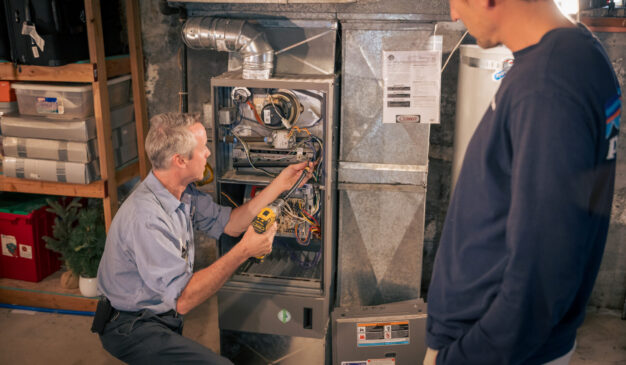
- Electrical safety check. Tightening connections and testing capacitors and contactors, the parts most likely to wear out from heat and daily cycling.
- Refrigerant and airflow check. Confirming your air conditioner or heat pump is running at the correct charge and that air is moving freely through the coil.
- Filter replacement. Swapping standard or high-efficiency air filtration to the size and rating your system needs.
- Safety control testing. Checking limit switches and safety shutoffs so the system responds correctly if something goes wrong.
Whether your home runs on a central air conditioning system, a furnace or heat pump, or a ductless mini-split, the tune-up is built around the same idea: catch small issues while they are still small.
9 signs your HVAC system needs a tune-up
The most common signs a system needs a tune-up are higher energy bills with no clear cause, weak or uneven airflow, longer run times, new noises, ice on the outdoor unit, short cycling, a missed annual service, unusual smells, and a warranty that requires proof of maintenance. Any one of these on its own is worth a look. A few together usually means the system is overdue.
9 signs it is time to schedule maintenance
- Higher energy bills with no other clear explanation, like a heat wave or a house full of guests.
- Weak or uneven airflow from vents in one or more rooms.
- Longer run times before the house reaches the temperature on the thermostat.
- New noises when the system starts or runs, including rattling, clicking, or humming.
- Ice or frost on the outdoor unit or visible refrigerant lines.
- Short cycling, where the system turns on and off in quick bursts instead of running a full cycle.
- It has been more than a year since your last professional tune-up.
- Dust, pet hair, or a burning smell coming from the vents when the system starts.
- A manufacturer warranty that requires annual proof of maintenance to stay valid.
A weak capacitor is one of the most common reasons for short cycling and a system that hums but will not start, and it is something a tune-up catches early.
None of these signs mean something is broken right now. They mean it is a good time to have a technician take a look before a small issue turns into a no-heat or no-cool call. We do not lead with fear here. We would rather walk you through what we see and let you decide what makes sense for your home and budget.
What we commonly find, and what it means for your system
Items addressed as part of the service. Based on our service records across more than 5,000 cooling tune-ups alone, the most common items our technicians handle during the visit itself are filter replacement and condensate drain treatment. Some cooling visits and we replace standard and high-efficiency filters on most others. Club membership renewals also happen often during these visits, since the tune-up is already scheduled.
Items that turn into a separate repair conversation. Some visits turn up something that costs extra, and we always walk you through it and get your approval before any repair work begins. The most common ones are a weak or failed capacitor, a failing contactor, a tripped or missing overflow safety switch, and damaged flexible duct runs found while inspecting the system. These are not included in the tune-up price because they involve a part that has actually failed or is close to it, not routine cleaning and testing.
Example From a Recent Service Visit
A homeowner in University Place had a heat pump system that had been running fine, but during a maintenance visit our technician found the dual run capacitor was weak and close to failing. The system likely would have short cycled or failed to start on a cold morning within weeks.
Solution: We replaced the capacitor on the spot with the homeowner’s approval, and confirmed the system was running at the correct amp draw before we left the University Place home.
Is a tune-up worth it?
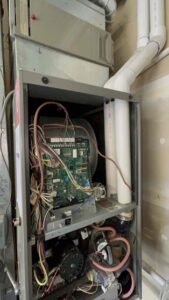
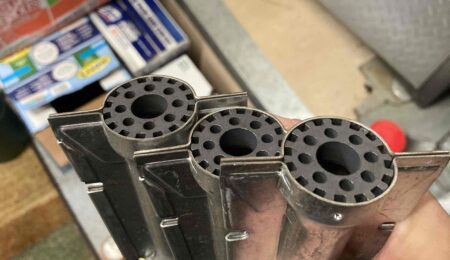
Inside a serviced system during a recent Pacific maintenance tune-up.
Yes, for most homeowners a tune-up pays for itself in avoided breakdowns and steadier energy bills. A Precision Tune-Up for a central air conditioner or heat pump is $199, and ductless mini-split maintenance starts at $269 depending on the number of indoor heads. Compare that to the cost of an emergency no-heat or no-cool call, which is almost always higher and almost always less convenient.
There is also a warranty angle that is easy to miss. Most manufacturer warranties require proof of annual maintenance to stay valid. If a major part fails later and there is no service record, the manufacturer can deny the claim. A tune-up protects the investment you already made in the equipment, not just the equipment itself.
Every repair we recommend during a tune-up is backed by our No Worry, No Breakdown Guarantee and our 100% Money-Back Guarantee, so you are never guessing whether the work was done right. Learn more about Pacific’s guarantees before you book.
When should you schedule a tune-up?
Cooling tune-ups should be booked in spring, before demand peaks in June, July, and August, which are consistently our busiest months for air conditioning service. Heating tune-ups are best booked in early fall, before the first cold snap sends everyone reaching for the phone at once. January and December are historically our slowest months for cooling maintenance, which tells you most homeowners wait until it is too late rather than too early.
If scheduling is one more thing you do not want to think about twice a year, the Peace of Mind Club includes annual tune-ups along with priority scheduling and 24/7 emergency support, so the visit happens automatically instead of becoming another item on your list.
FAQ: Common Questions About Maintenance and Tuneups
-
-
A Precision Tune-Up for a central air conditioner or heat pump is $199. Ductless mini-split maintenance starts at $289 and goes up depending on the number of indoor heads. Everything in the tune-up itself is included in that price, with no add-on cleaning fees. If a repair is needed, we always explain the cost before doing any work.
-
-
Most systems should get a cooling tune-up in spring and a heating tune-up in early fall, once each per season. If you have a heat pump that runs year-round, a combined tune-up that checks both heating and cooling performance in one visit is a good option. Club members get this scheduled automatically as part of their membership.
-
-
It is a fair question, and the honest answer is that most tune-up visits do not turn into a repair sale. In our service records, the majority of cooling tune-ups involve routine items like a filter swap and a condensate drain treatment, nothing more. When a repair is genuinely needed, like a weak capacitor, we show you what we found and explain the cost before doing anything.
-
-
Most tune-ups take 60 to 90 minutes, depending on your system type, how accessible the equipment is, and whether the filters or coils need extra attention. We take the time needed to check the system thoroughly rather than rushing through it.
-
-
It can. Most manufacturer warranties require proof of annual maintenance to stay valid. If a major component fails later and there is no service record showing regular maintenance, the manufacturer can deny the warranty claim. Scheduling a yearly tune-up protects the investment you already made in the equipment.
-
-
We will show you what we found, explain what it means in plain language, and give you a clear price before doing any repair work. Nothing gets fixed without your approval first. Common examples include a weak capacitor, a failing contactor, or an overflow safety switch that needs to be replaced.
-
-
You can handle a few basic things yourself, like changing your air filter regularly and keeping the area around your outdoor unit clear of debris. What you cannot safely check yourself is refrigerant charge, electrical component wear, and safety control function, which require training and equipment a technician carries. A DIY filter change is a good habit, but it is not a substitute for a full tune-up.
Still not sure if your system is ready for the season?
Tell us what your system is doing and we’ll help you figure out the right next step. Pacific Heating & Cooling has been diagnosing heating and cooling problems across Tacoma and the South Sound since 1984. NATE-certified technicians, 2-hour arrival windows, and upfront pricing before any work begins.