By Pacific Heating & Cooling | Licensed Plumbing Technicians | Updated September 2026
If your water looks rusty or discolored, tastes metallic, or your water pressure keeps dropping for no clear reason, your home’s plumbing may be trying to tell you something. The main signs a home needs repiping are discolored, rusty, or foul-smelling water, metallic-tasting water, low or steadily dropping water pressure, frequent pipe repairs or recurring plumbing issues, visible corrosion or aging pipe, and an unexplained increase in your water bill. Here is what causes these problems, what Pacific’s repiping process looks like, and how to know whether repiping makes sense for your home.
The most common signs your home needs repiping
Most repiping decisions start with one or two symptoms a homeowner notices in daily life, not a dramatic pipe burst. Pipes tend to fail gradually from the inside out, so the early warning signs are often small and easy to dismiss. Pacific is family owned and has served Western Washington homeowners across our South Sound service area since 1984, and repiping conversations almost always start with one of the signs below.
Discolored, rusty, or foul-smelling water
Rusty, brown, or yellow tinted water, or water with an off smell, usually means the inside of a metal pipe is corroding and affecting your water supply. Homeowners often notice this first thing in the morning, after the water has sat in the pipes overnight. The common solution is a plumbing inspection to confirm whether the issue is coming from your home’s own pipes or from the municipal supply line, followed by a plan to replace the affected sections if the pipes themselves are the source.
Metallic-tasting water
Water that tastes metallic is often another sign that corrosion inside an aging pipe is affecting your water supply, even when the water still looks clear. This can happen gradually, so it is easy to assume it is normal until you notice the difference after being away from home. A plumbing inspection can confirm whether the taste is coming from your home’s own plumbing.
Low or dropping water pressure
Water pressure that has gradually gotten weaker over months or years, rather than dropping suddenly, often points to buildup and corrosion narrowing the inside of the pipe. This is different from a single fixture with a clogged aerator. If pressure is low at multiple fixtures, that points to a problem in the pipe itself rather than one fixture. A technician checks pressure at several points in the home and inspects accessible pipe sections to find where the restriction is happening.
Frequent pipe repairs or recurring plumbing issues
One repair can be a fluke. Needing a plumber back for a second or third pipe issue within a year or two usually means the pipe material itself is reaching the end of its life, not that you have had unusually bad luck. The common solution is to look at the affected pipe run rather than patching each issue individually, since patching one section does not stop the same corrosion from causing the next problem nearby.
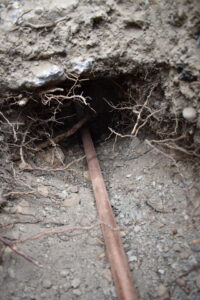
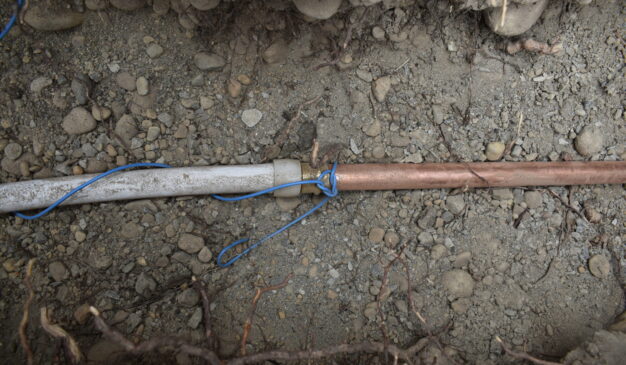
Tree roots had grown directly into this crawl space, where years of corrosion had already taken a toll on the pipe.
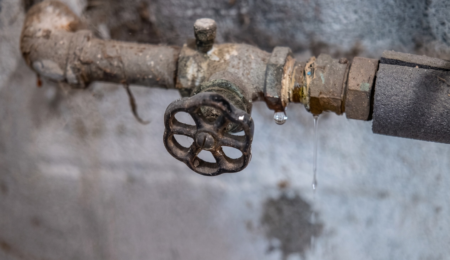
Visible corrosion or aging galvanized pipe
Pipe you can see, under a sink, in a crawl space, or in the basement, is easier to check than pipe hidden inside walls. Look for green or white crusty buildup
on copper pipe, or flaking rust on galvanized steel pipe. Visible corrosion on exposed sections is a strong hint that hidden sections of that same pipe run are corroding too, since a single run is usually the same age and material throughout. Older homes with original galvanized steel pipe are the most common candidates for repiping.
Example From a Recent Service Visit
Unexplained increases in your water bill
A water bill that climbs without an obvious reason, like watering the lawn more or a new appliance, can point to a small leak inside a wall or under a slab that is not visible yet. Corroded pipe is more prone to small leaks like this than newer pipe material. A plumbing inspection can check for signs of a hidden leak before it causes bigger damage.
What a homeowner can do vs. what requires a technician
Homeowner actions
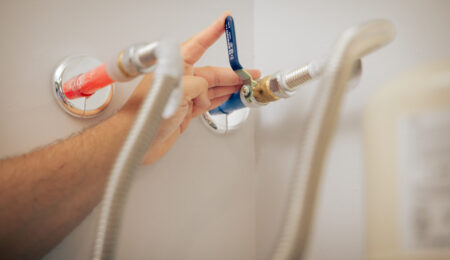
- If you notice a leak, shut off the water supply to that fixture or the main water shutoff for the home to limit water damage.
- Note when and where you notice discoloration, odd taste, low pressure, or a rising water bill, since this helps a technician narrow down the cause faster.
- Avoid repeatedly patching the same pipe issue yourself. A patch does not address why the pipe failed in the first place.
- Check accessible pipes under sinks and in crawl spaces for visible corrosion, but avoid opening walls or cutting into pipe on your own.
Technician actions
We don’t just diagnose the issue. We help you understand it. Pacific’s process starts with a thorough, no-pressure investigation of what your home’s plumbing actually needs. From there, we provide a clear, flat-rate quote with no hidden fees before any work begins, backed by our 100% satisfaction guarantee. If repiping is the right call, our team removes the old piping, installs the new PEX or copper lines, and runs performance tests to confirm everything is working the way it should.
Signs you should call for a plumbing inspection
Some signs are specific enough that they should not wait. Call for a plumbing inspection if you notice any of the following: water that tastes metallic or smells off, water that runs rusty, discolored, or foul-smelling for more than a few minutes, water pressure that has dropped noticeably across multiple fixtures over the past several months, repeated pipe repairs or recurring plumbing issues in different parts of the home, visible corrosion, pitting, or flaking on any pipe you can see, or a water bill that has climbed without a clear explanation.
Pacific offers 2-hour arrival windows and upfront pricing before any work begins, so scheduling an inspection does not mean committing to repiping on the spot. It means getting clear answers about what is actually happening inside your walls.
What does repiping cost in Tacoma and Western Washington?
Repiping cost depends on your home’s size, how many fixtures need to be connected, whether you choose PEX or copper pipe, and how easy the existing pipes are to access. PEX is a flexible, corrosion-resistant material that is often more cost-effective, while copper is a durable metal known for longevity and heat resistance.
Pacific starts every repiping job with a thorough, no-pressure investigation of your home, then provides a clear, flat-rate quote with no hidden fees before any work begins. Most repiping projects can be completed within a few days once work starts, backed by Pacific’s 100% satisfaction guarantee. If the investment is more than you want to pay upfront, ask about flexible financing options and available rebates during your inspection. You can also read what other Western Washington homeowners have said about working with Pacific on our testimonials page, or see the full scope of the service on our repiping services page.
Still not sure what’s causing the problem?
Tell us what your plumbing is doing and we’ll help you figure out the right next step. Pacific Heating & Cooling has been diagnosing plumbing problems across Tacoma and the South Sound since 1984. Licensed plumbing technicians, 2-hour arrival windows, and upfront pricing before any work begins.
FAQ: Common Questions About Repiping Your Home
-
-
-
-
The timeline depends on the size of your home, the pipe material used, and how accessible the existing pipes are. Some homes can be completed faster than others depending on layout and access. We will give you a specific timeline for your home before any work begins, so you know what to expect.
-
-
-
-
-
-
Galvanized steel pipe is dull gray and magnetic, so a magnet will stick to it, and it often shows orange rust flaking as it ages. Copper pipe is reddish brown and not magnetic, and it may develop a green or white crusty buildup over time. If you are not sure, a technician can identify the pipe material during an inspection.
-
-
Some wall access is usually needed to reach pipes that run inside walls, but the amount of opening required depends on your home’s layout and how the pipes were originally run. Homes with crawl space or basement access often need less wall work than homes where pipes are fully enclosed. We will walk you through exactly what access is needed for your home before starting.
-
-
Most homeowners insurance policies do not cover repiping done to prevent future leaks, since that is considered maintenance rather than damage repair. Insurance is more likely to cover water damage caused by a sudden pipe failure, not the cost of replacing aging pipe before it fails. Check with your insurance provider directly, since policies vary.
Still not sure what’s causing the problem?
Tell us what your plumbing is doing and we’ll help you figure out the right next step. Pacific Heating & Cooling has been diagnosing plumbing problems across Tacoma and the South Sound since 1984. Licensed plumbing technicians, 2-hour arrival windows, and upfront pricing before any work begins.
A single sign, like rusty water or one unexplained leak, does not always mean your whole home needs new pipes. But a pattern of these signs together is worth a real look. Call Pacific Heating & Cooling at (253) 248-6260 or schedule a plumbing inspection online, and we will walk you through exactly what we find and what your options are. No Surprises. Just Solutions.