By Pacific Heating & Cooling | NATE-Certified Service Technicians | Updated August 2026
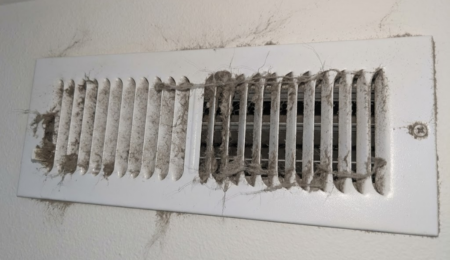
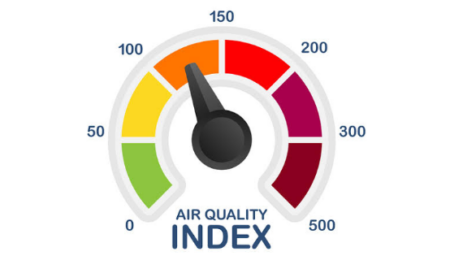
If your home always feels dusty, your allergies flare up indoors, or wildfire smoke season leaves the air feeling heavy even with the windows shut, you are probably wondering if an air purifier will actually fix it. Quality air purifiers and whole house air filtration systems do work, but only when they are sized correctly and matched to what is actually in your air. This guide breaks down what a whole house air filtration system includes, what it costs, and how to choose between a portable unit and a system installed on your HVAC equipment.
Do air purifiers actually work?
Yes. Air purifiers and whole house filtration systems remove measurable amounts of dust, pollen, pet dander, mold spores, and smoke particles from the air, as long as the filter or unit is rated for that pollutant and sized for the space it is cleaning. A small portable unit in a large home will not do the job a whole house system can.
The confusion homeowners run into is scale. A portable air purifier cleans the air in the room it sits in. A whole house air filtration system ties into your existing ductwork and treats the air every time your furnace or AC fan runs, which means every room gets covered instead of just one.
Western Washington’s marine climate adds another layer. Moisture in older homes across Tacoma, Puyallup, and the South Sound can support mold spores, and wildfire smoke season stresses indoor air even in newer, tighter homes. That is part of why our NATE-certified technicians get asked about air filtration options during heating and cooling tune-ups almost as often as they get asked about repairs. If you want the full picture before deciding on a fix, we break down the common causes of bad air quality in Western Washington homes.
If you have been searching for a home air cleaner in Tacoma that covers more than one room, or you keep seeing the terms whole house air purifier and whole house air filtration system used to describe the same kind of product, that overlap is normal. Both terms describe a system installed on your furnace or air handler rather than a plug-in unit.
Portable air purifiers vs. whole house air filtration systems
The right choice depends mostly on how much of your home you need to cover and whether you are willing to maintain a standalone unit room by room. Here is how the two options compare.
| Portable Air Purifier | Factor | Whole House Air Filtration System |
|---|---|---|
| One room, typically 150 to 600 square feet | Coverage | Entire home, every time the system runs |
| HEPA or carbon filter inside the unit | Filter type | High-MERV filter cabinet or UV and ionization purification, built into your ductwork |
| $50 to $400, filters replaced every 3 to 6 months | Upfront cost | Installed by a technician, typically as part of a maintenance or upgrade visit |
| Runs continuously, can be noticeable in a bedroom | Noise | Silent, since it works through your existing HVAC system |
| Renters, single rooms, apartments | Best for | Homeowners with ducted systems who want whole-home coverage |
| Filter swap every few months, easy to forget | Maintenance | Checked at your regular tune-up, so it does not get overlooked |
What does a whole house air filtration system actually include?
There are two ways to filter the air in your whole home: passive and active. Passive filtration means upgrading to a higher MERV-rated filter, which captures more dust and particles as air passes through. Active filtration goes further, using UV light or ionization to treat the air directly.
We can address filtration needs in either category, and we recommend active filtration when passive filtering alone is not aggressive enough for your home. Both options tie into your existing ductwork, so the whole home gets covered instead of just one room.
Based on our service records, we have completed 117 installs, inspections, and service calls tied to whole-home air purification units across Western Washington, most often in Tacoma, Lakewood, Puyallup, Gig Harbor, and Kent. Across 30 recent standalone installs, pricing ranged from $307 to $4,523, with most homeowners landing between $1,300 and $2,500 depending on the unit type and how accessible the ductwork is.
During cooling and heating tune-ups, our technicians also install high-MERV filter cabinets as a simpler filtration upgrade. Aprilaire 4 inch MERV11 filters have been installed 654 times and MERV13 filters 436 times in our service records, which makes this one of the most common air quality upgrades we perform alongside a standard Precision Tune-Up.
Example From a Recent Service Visit
A homeowner in Tacoma called after noticing her allergy symptoms had returned even though she already had a whole house air purifier installed years earlier. Our technician found the unit’s UV bulb had burned out, which meant the system was moving air through the ductwork without actually treating it.
Solution: We replaced the bulb during the same visit and confirmed the system was purifying air again before we left. This is a common finding on older installs, since UV bulbs and purification cells wear out over time even when the rest of the unit still looks fine.
Beverly in Tacoma put it this way:
“Got my Air Scrubber working again so my allergies will go away.”
Beverly in Tacoma
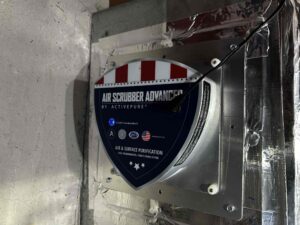
An Air Scrubber Advanced unit installed in the ductwork, purifying air throughout the whole home every time the system runs
Is a whole house air filtration system worth it?
For most homeowners dealing with ongoing allergies, pet dander, or wildfire smoke concerns, yes. A properly sized whole house system treats every room automatically, which a portable unit cannot do unless you buy one for every room you spend time in.
A portable unit can still make sense if you only need cleaner air in one bedroom or a nursery, or if you are renting and cannot modify the HVAC system. But if dust, allergy symptoms, or musty odors show up throughout your home, a whole house system addresses the actual source instead of treating one room at a time. Every filtration installation we complete is backed by our 100% Money-Back Guarantee, so if it does not perform the way we said it would, we make it right.
Club members get an added layer of confidence here. Because filter cabinets are checked at every annual tune-up as part of the Peace of Mind Club, it is much harder for a worn filter or a burned-out UV bulb to go unnoticed the way it did in the Tacoma example above. That single check during a routine visit is often what separates a system that quietly stops working from one that keeps performing year after year.
It also helps to think about the No Worry, No Breakdown Guarantee in the context of filtration. The guarantee is built around the idea that you should not have to guess whether your system, including any filtration added to it, is doing its job. If something is not working the way it should, that is exactly what a follow-up visit is for.
How to choose the right whole house air filtration system for your home
Before you decide between a filter cabinet and an active purification unit, walk through these questions.
What is actually bothering you? Dust and pet dander respond well to a high-MERV filter cabinet. Mold, odors, and airborne bacteria respond better to a UV or ionization based unit, since those work by breaking down particles rather than trapping them.
What kind of HVAC system do you have? Whole house filtration requires a ducted furnace or air handler. Homes with ductless mini splits need a different approach, since there is no central duct system to install the unit into.
How large is your home, and who lives in it? Larger homes, multiple pets, or a household member with severe allergies usually justify the higher-end active purification option over a basic filter upgrade.
What is your budget and how much maintenance do you want? A filter cabinet costs less upfront and only needs a filter swap during your regular tune-up. An active purification unit costs more but needs less frequent attention beyond an occasional bulb or cell replacement.
If you are not sure which category your concerns fall into, that is exactly what a diagnostic visit is for. We will walk you through your options in plain language before recommending anything.
What to expect when you schedule whole house air filtration installation
Most air filtration installation appointments follow the same pattern as our other HVAC visits. A NATE-certified technician arrives within your 2-hour window, inspects your existing ductwork and furnace or air handler, and explains which filtration option fits your system before any work begins.
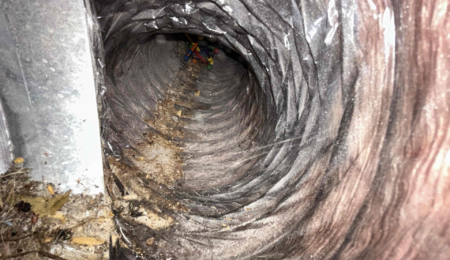
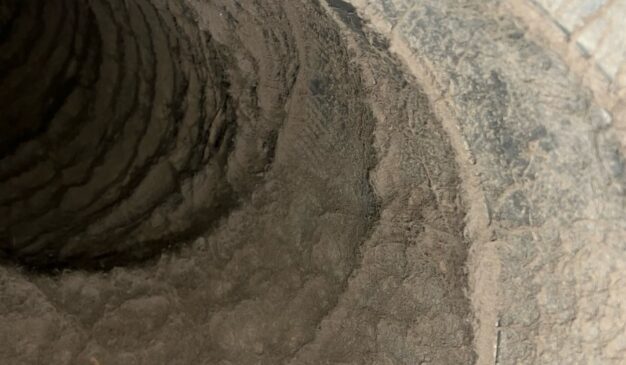
Filter cabinet installs are typically completed the same day, often during a scheduled cooling maintenance or heating tune-up visit. Active purification units may take a bit longer depending on access, but most installs are still finished in a single appointment. If your ductwork has leaks or gaps, we may also recommend air duct sealing first, since a filtration system cannot fully do its job if unfiltered air is leaking into your ducts from an attic or crawl space.
Pricing is always explained before we start, not after. That is the same no-surprises approach we use whether you are scheduling a repair, a duct cleaning, or a new whole house air filtration installation.
If cost is a concern, ask about financing options or our Peace of Mind Club, which includes annual tune-ups where filter cabinets are typically inspected and replaced as part of the visit.
Whole house air filtration in Western Washington homes, from Tacoma to Tumwater, deals with the same combination of moisture, wildfire smoke season, and older ductwork. Whatever system you choose, it should be sized for your specific home, not a generic recommendation.
If you are still deciding between a portable air cleaner and a full whole house air filtration system, call us at (253) 248-6260 and we will walk you through what actually makes sense for your home. No Surprises. Just Solutions.
FAQ: Common Questions About Air Purifiers
-
-
Air purifiers genuinely work for the pollutants they are rated to capture, as long as the unit is sized correctly for the space. The marketing problem is that many portable units are sold for whole-home use when they can only clean one room at a time. A whole house system tied into your ductwork treats every room, which is why it performs differently than a portable unit in a large home.
-
-
Based on 30 recent installs in our service records, whole house air filtration systems ranged from $307 to $4,523, with most homeowners paying between $1,300 and $2,500. A simple high-MERV filter cabinet costs less than an active UV or ionization purification unit, and the final price depends on ductwork access and the type of system you choose.
-
-
If your air quality concerns are limited to one room, like a bedroom or nursery, a portable unit is usually enough. If dust, allergy symptoms, pet dander, or musty odors show up throughout your home, a whole house system addresses the source instead of treating one room while the rest of the house stays the same.
-
-
Most filter cabinet installs are completed the same day, often during a scheduled maintenance visit. Active purification units can take a bit longer depending on how accessible your furnace or air handler is, but the large majority of installs are finished in a single appointment.
-
-
Yes, when the filter or unit is rated for fine particles. High-MERV filters and active purification units both capture the small particles found in wildfire smoke and common allergens like pollen and pet dander. The system only helps while your furnace or AC fan is circulating air, so running the fan setting on your thermostat during smoke events makes a real difference.
-
-
A high-MERV filter cabinet typically gets checked and replaced during your regular heating or cooling tune-up, so it rarely requires a separate visit. Active purification units need occasional bulb or cell replacement, usually once every one to two years, which a technician can check during the same maintenance appointment.
-
-
A whole house air filtration system can reduce the mold spores and particles that contribute to a musty smell, but it will not fix an underlying moisture problem on its own. If your home has ongoing humidity issues, especially common in older Western Washington homes, that usually needs to be addressed separately alongside the filtration upgrade.
Still not sure which system is right for your home?
Tell us what your system is doing and we’ll help you figure out the right next step. Pacific Heating & Cooling has been diagnosing heating and cooling problems across Tacoma and the South Sound since 1984. NATE-certified technicians, 2-hour arrival windows, and upfront pricing before any work begins.